
New York City, January 30, 2018
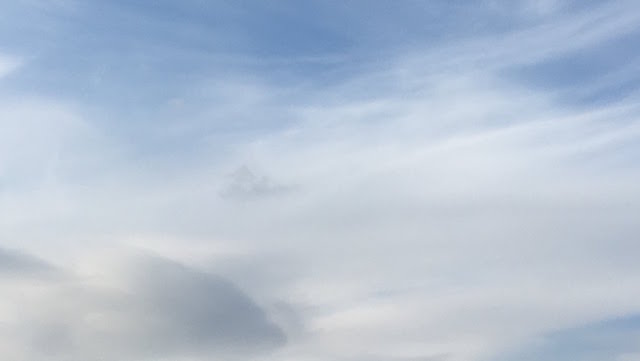 ★★★★ Even through the blinds, to eyes without contact lenses, the world was newly brightened all around—not inherently bright, with dawn still under the pall of the gentle storm, but evenly bright, the gray-blue light of the sky shining back from the roofs and the balcony rails and the parked cars. The snow traced the branching, multiplying twigs of the still-bare trees, narrowing yet holding on all the way out to the tips, and it stuck to the sides of balcony railings, for now. None of it would last; the streets and sidewalks had remained black and clear. Things moved on their usual paths. The flakes were almost too tiny to see individually in the early dimness, but they hid the river and brought the city down to the near and middle distance. An upright dark line floated in the sky, like a hawk perched on nothing. It took the binoculars to sort it out: It was the center post atop a water tower, left alone on a blank background as the conical roof below had gone white and vanished. For years the tank roof must have been in view, peeking out of its rectangular bulkhead on the apartment building, unnoticeable until it disappeared. Outside, after the luminous blue had gone over to gray, there were still prettily swirling little flakes. Forty-five minutes later, they could be felt but barely seen. Warmth from the ground had carried up the vertical pickets of the low fences around the tree-planting beds, melting the snow on the plain flat top rail at intervals, so the surviving humps of white marched along in rhythm with the pattern of the city’s approved Type “B” tree guard design. A bit of cloud caught on the spire of the Empire State Building, giving a measurement to the blurry sky. The morning snow was due to be over, yet still there were little flakes showing against dark backgrounds. The barber ran clippers through the neglected thatch of hair around the ears and when it had fallen away, in the mix of daylight and shop light, a little unambiguous spot of silver stayed there, bright and sure as a dime. Someone came in the door and the air that had followed them made the warmth of the hot towel ebb quickly. The snow had truly stopped now below the Flatiron, and patches of sunshine and blue were glimmering into being, yet back uptown the gray had settled in again, and a few new minuscule flakes were on the air. One might somehow have veered between the buttons of the flannel shirt, a ghostly fleck of sharp cold. The ears, meanwhile, were getting chilled steadily. Some of the accumulated snow had slipped away but it still clung to the face of the television on the luxury roof deck. Snowflakes blew more thickly for a while, then subsided as the sky lightened. When it darkened again, what was falling looked like rain. Or was it snow? An arm thrust out the window caught little bits of it in the wrist hairs—some sort of granules, more like snow to look at but falling straight down. At last that went away, too. The trees had lost their tracery, and the furniture of the luxury roof deck, its white covering worn away, lay scattered like debris. The water-tower roof was dark again, with one last streak of white on it. The edge of a metal vent gleamed, and windows cast bright spots on neighboring bricks. Every fugitive bit of light might be the last one. A ray of sun sparkled on lumpy ice on the neighbor’s balcony, crossed over to cut through the living room, and hit the inmost corner of the children’s bunk bed. It lit the magnetic words in disarray on the blank side of the filing cabinet, “she will was us want as has by sun.” That beam thinned as the sun began to descend behind a patch of cloud. Not far below the cloud were the new towers downriver, waiting their turn to shut it off. Sundown proper was colorless and indistinct. There was light, and then it went dark. The children set their alarm: before the next sunrise, they would be up looking for the lunar eclipse.
The Awl, 2009-2018
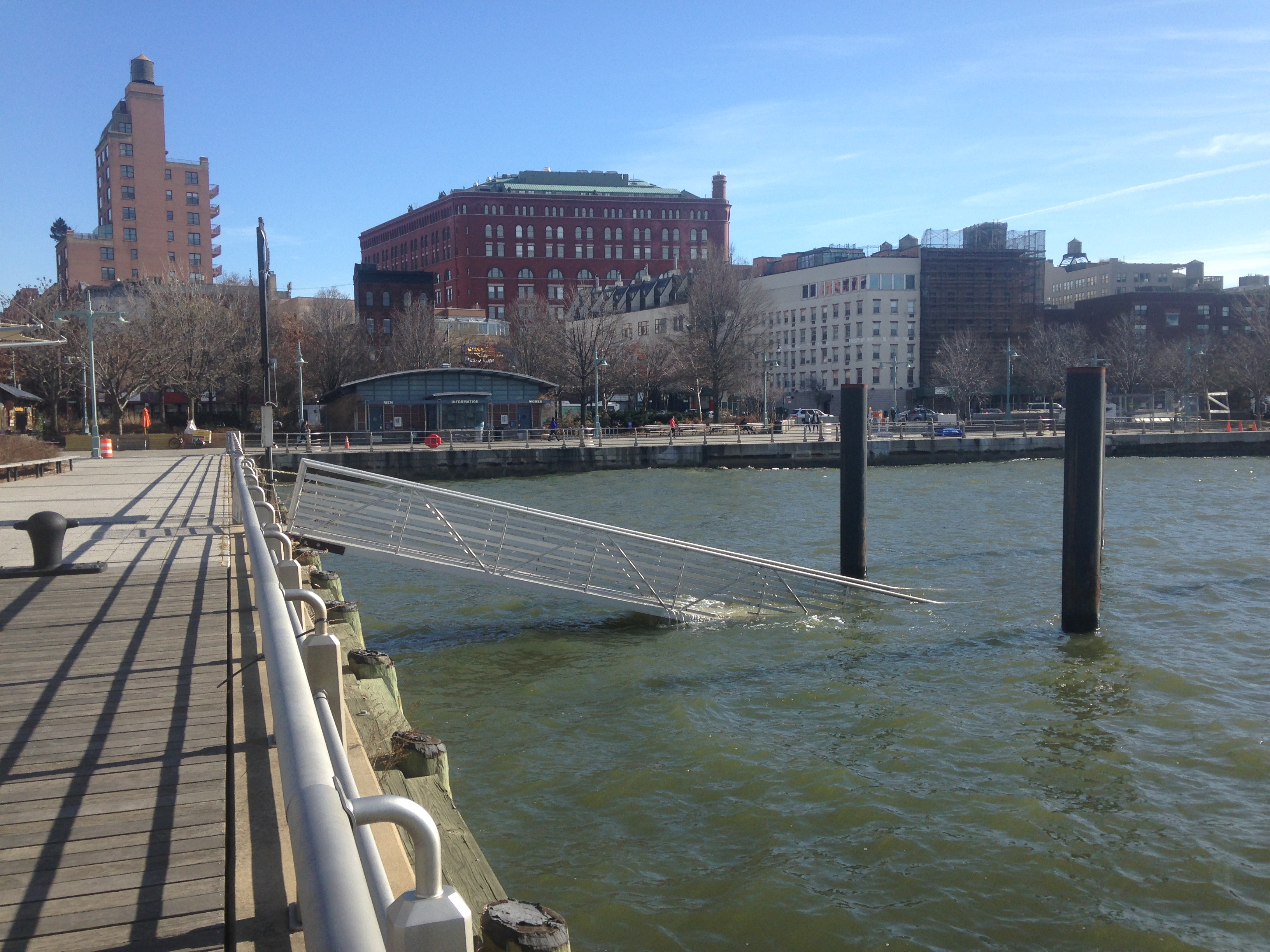
The Awl was born of the following thoughts: What if there were a website with a wealth of resonant, weird, important, frightening and amusing bits of news and ideas? What if it weren’t so invested in giving you the “counterintuitive take” that it actually stopped making sense? What if it were run by people who actually didn’t care about the way we all allegedly live now?
We believed that there was a great big Internet out there on which we all lived, and that too often its curios and oddities were ignored in favor of the most obvious and easy stories. We believed that there was an audience of intelligent readers who were poorly served by being delivered those same stories in numbing repetition to the detriment of their reading diet. We believed that there was no topic unworthy of scrutiny, so long as it was approached from an intelligent angle. We believed that there was no such thing as too long or too short for the Internet, that stories should use as many words as they needed to be to say what they had to say, and no more. We believed we could make a place where these organizing principles would find a community that felt the same way.
How’d we do?
Jared Kushner Sells Girl Scout Cookies
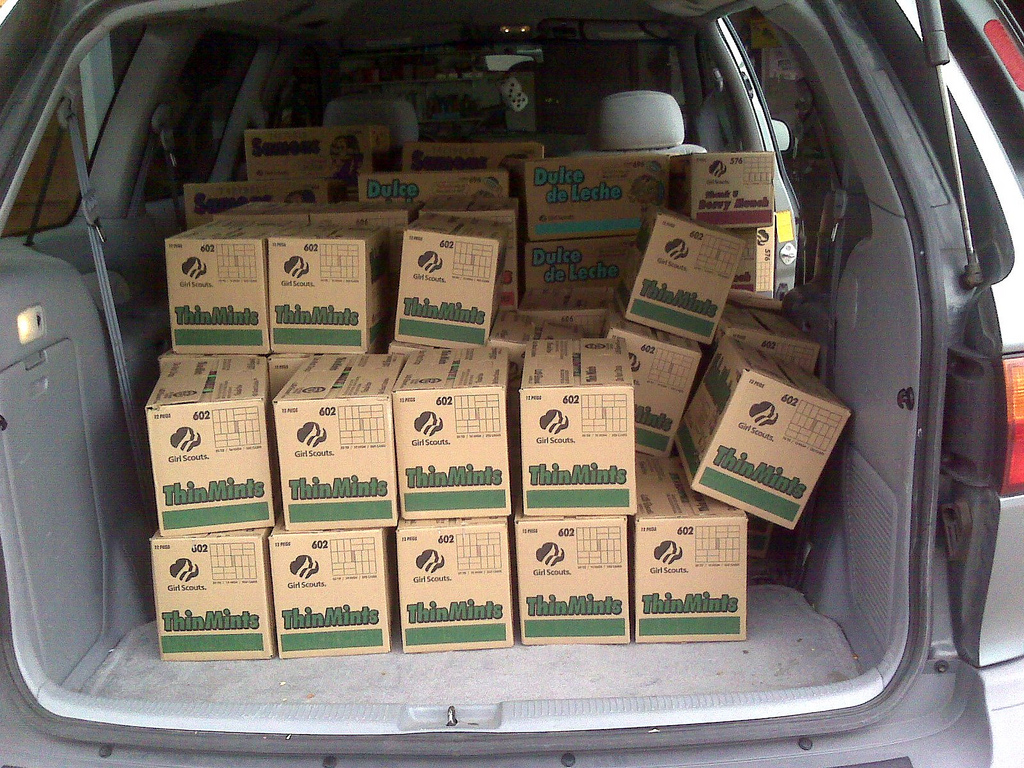
Image: David & Margie Hill via Flickr
JARED, who has a black eye, is looking for an Overton window to jump out of, as his DAUGHTER is happily doling out the Girl Scout cookies she sold earlier this term. The STAFF is lining up to receive their orders. It’s the most crowded the White House has been since that one time BARACK OBAMA invited SANTANA over to celebrate MICHELLE’s birthday, and JOE BIDEN ended up singing the Rob Thomas parts of “Smooth.” EVERYONE, even staff who’ve been fired, even staff who’ve resigned in disgrace, even staff who don’t usually come in on Wednesdays, is here to pick up cookies. NO ONE is much talking about the State of the Union, so little do they care about the state of the Union and so focused are they on gobbling up Thin Mints.
HOPE HICKS [to NO ONE]: She sent me a paragraph-long text earlier. I couldn’t get into it right then. I mean, a fucking paragraph? What is this, The Supreme Court? I was like, I will get you the promotion code as soon as I get back to my desk. Like how hard is that for you to fucking get? I’m not glued to my desk all fucking—
KUSHNER DAUGHTER [from behind the card table GENERAL MATTIS set up for her]: If you have your payment cards out and ready, the line will move much faster.
[HOPE HICKS, SARAH HUCKABEE SANDERS and OMAROSA get in line behind GARY COHN. They’re negatively bonding with each other by wondering whether TRUMP tan tans or spray tans. KELLYANNE CONWAY interrupts them. She’s wearing Philadelphia Eagles earrings and bragging about how she is going to the Super Bowl this weekend. But she’s lying. Lie-bragging. She’s typing “lie-bragging—use?” into her Notes app.]
Holding On
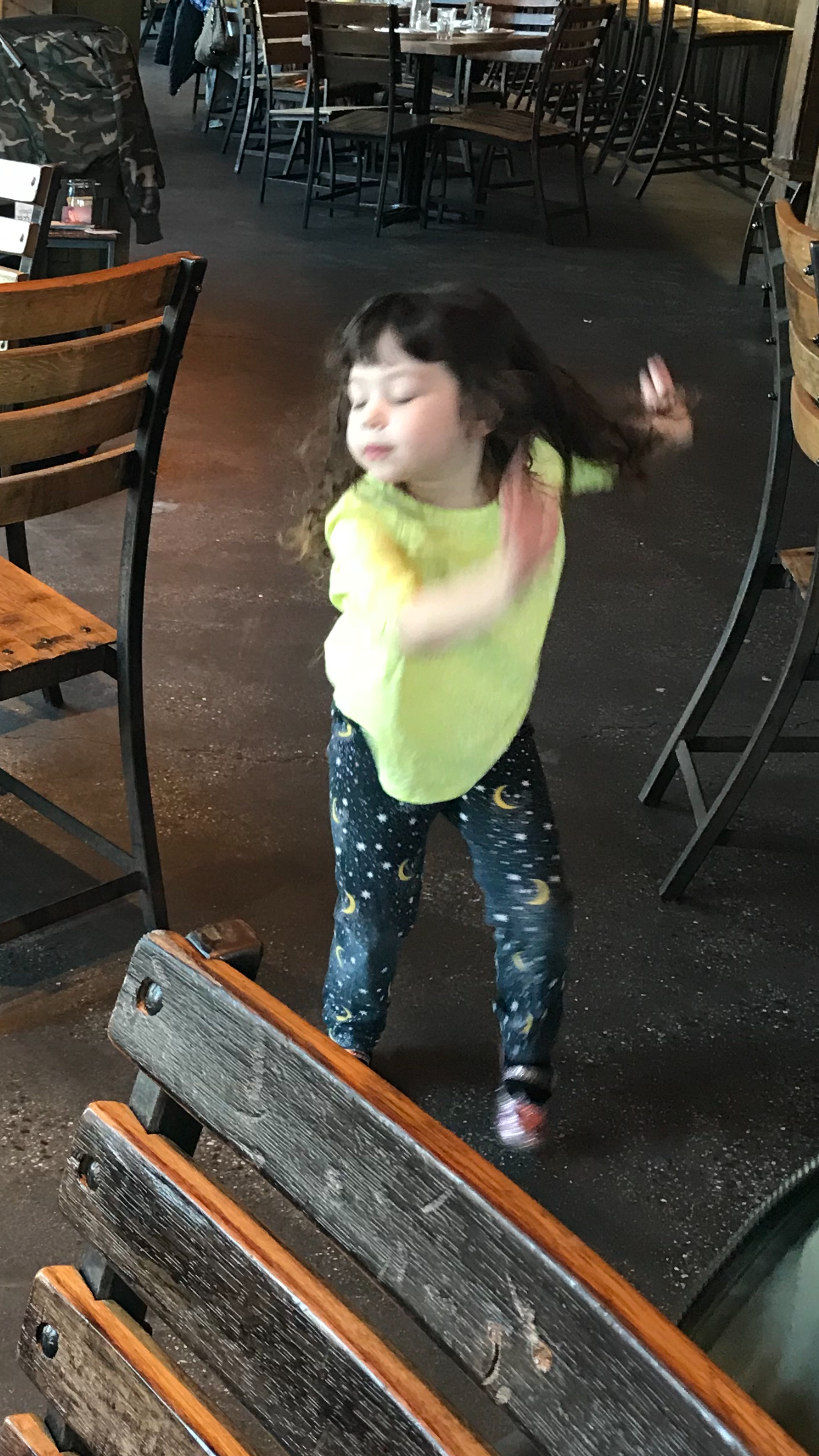
I remember the first time I held my daughter’s hand. She was just minutes old, and I knew nothing about babies, so I was impressed to find that even a newborn could hold on. “Look, she’s holding my hand!” I exclaimed to myself, to the air, to anyone in the room. That she could cling to me and me to her was the most natural thing in the world, it turned out. It comes to us from the unknown depths of our biology, pre-birth. Our first skill is hanging on, no practice necessary. What I didn’t know yet was that learning to let go would also come easily, maybe naturally, to her. That she would master it quicker than me.
I know every time I’ve let go of Zelda, in fact, what’s actually happened is that she let go of me, and I simply allowed it, overcoming my natural inclinations to cling, to hold tight. I felt her pull away from me as she stood up on her fat wobbly legs to walk for the first time, and I worried that she would fall. She did, of course, fall down, and though she cried real tears of failure and frustration, and though she looked over at me, she didn’t reach for me. She didn’t need me, not right that second. She told me then what I didn’t want, couldn’t stand to hear, not yet, not yet: “Sometimes, I need you; sometimes I do not.”
The Awl Stories You Never Saw
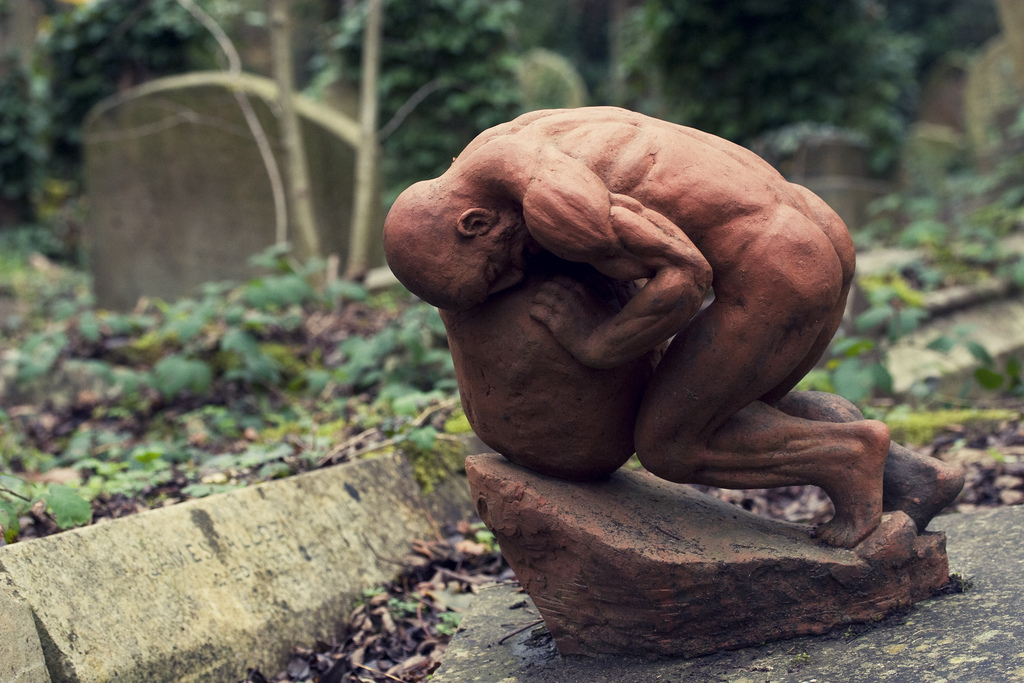 As the end rapidly approaches it seems as good a time as any to unburden myself of some of the ideas that I’ve wanted to see on the site but that for one reason or another never came to fruition. Shortly before he bolted Choire Sicha delivered his own list of unwritten work and reading it now in comparison to mine it is pretty clear (if his leaving didn’t already make it obvious) which one of us was the smart one. That said, I still feel like some of these things could have turned out okay, so I will share them with you now. I am about to be out of work so if you wind up using one of them at your organization please send me some money.
Felix Salmon, "Fusion Money," and Floating Upward
Last Friday, just after 2pm, the financial journalist Felix Salmon posted a blog titled “Why I’m Leaving Fusion.” It was a very short post indeed:
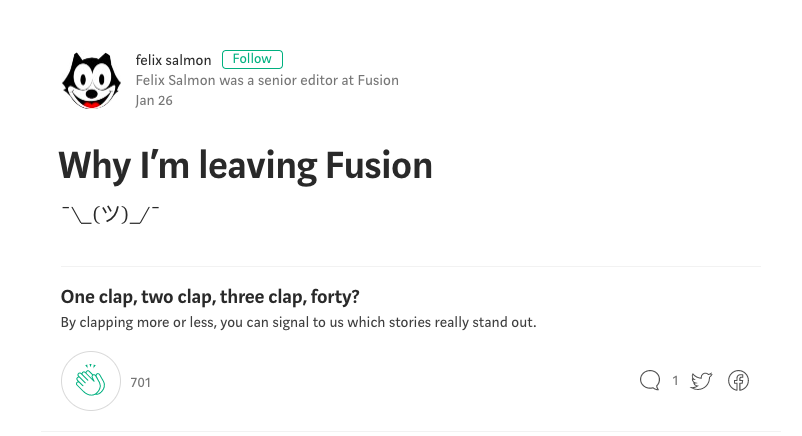
So, that is a provocative shruggie, is it not? At the very least it implies a cheeky “I don’t know (I know)” along with a dash of womp-womp (“not of my own volition!”). Salmon was most recently “working to develop and launch a new project that will explore the world of philanthropy, activism, social entrepreneurship, and spotlighting those working to try and make the world a better place,” on Fusion’s Rise Up “social impact” team, and before that, he had been a Senior Editor since the time he joined Fusion in 2014. For years, there has been rampant speculation among media types (loser dorks) about how much money the “hybrid television and digital media outlet” was paying to poach high-profile digital editors. But two weeks ago, the growing resentment within the Gizmodo Media Group newsroom toward Salmon and his significant salary—which because of a clerical error in 2016 had become an open secret in the newsroom—boiled over.
Bears, Britain, Bunga-Bunga: Bye
While it has been nice to see the kind words said about this site since we announced its shuttering a couple of weeks ago I feel as though we have not gotten enough credit for some of the things we pioneered in this corner of the Internet over the years. I am specifically talking about our affection for bears and wanting to die. But while many of our other content-area obsessions have gone unnoticed or fallen by the wayside, I am happy to note that the people of Britain remain a foul and pestilent congregation of stab-crazy louts, the moon is still our greatest enemy and Silvio Berlusconi is back, baby. There is sometimes comfort in permanence.
Steely Dan, "Everything Must Go"
Is it obnoxious to choose, as The Awl’s final morning selection, a song from a band for whom almost everyone under 40 has a depressing and inexplicable distaste? A song that is not even from that band’s widely acknowledged golden era? A song that begins with a minute-long saxophone solo? Is that obnoxious? Good morning. Here’s music. Enjoy.
New York City, January 29, 2018
 ★★ A wide band of pale blue separated the sharp purple hills at the horizon from the frayed purple edge of the cloud sheet above. The hills stayed purple while the clouds became wrinkled and dimpled gray. Perfect clarity took over for a spell, but then the lid came down again, with murky tints of brown and orange on it. A wind blew insistently, then forcefully, from uptown. Only the gaudiest athletic-green accents stood out on the clothes and gear of the children on the dim playground.
A Finale
Image: Martin Thomas via Flickr
Towards the end of last year, I asked people what they wanted me to cover in this column in 2018, a bold and ultimately fruitless thing to do, given I would only have about five or six more editions of this column to write. Nevertheless, friend of the column Casey Morell said: “I have always wondered why there isn’t a good piece that’s basically, ‘so you’re interested in listening to classical music? Here’s how you start.’” While I am not sure I am the person to write a good piece on that very topic, I do know I am a person who can write a piece on that topic, which is what I will do now.
So you’re interested in listening to classical music? you might be asking. Then start listening to classical music. That’s a smug, easy way of putting it, but I’m not entirely without justification. We have created a barrier to entry when it comes to classical music. In part because it’s old? I guess? And representative of a time in history that feels more and more alien to us by the day. And sometimes the pieces are, like, over an hour along. And also probably because it—like so much culture for so long—was dominated by stodgy white men who were always inexplicably feuding with one another. (Which, okay, on second thought, that’s basically the same as now.) But what I always feel is the most important thing to remind people is that classical music is music, and what’s more, it was popular music, honestly, truly, for a very long stretch of time. In turn, it was written to be listened to. It doesn’t want to alienate you. Challenge you, sure, but mostly welcome you into a theme, a melody, a variation, a mood.